
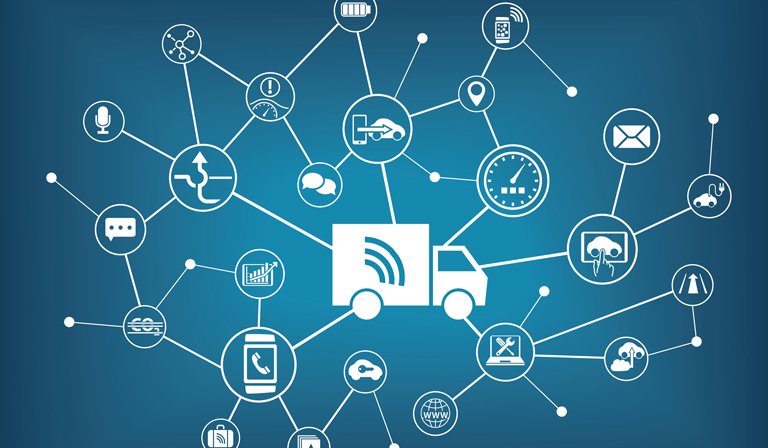
Fleet management has evolved from manual logbooks and GPS trackers to highly integrated, smart ecosystems. At the core of this transformation lies a powerful technology stack: the IoT monitoring platform. This platform connects vehicles, infrastructure, and data systems into one cohesive unit, helping organisations simplify operations, optimise performance, and reduce costs.
Let’s get into how this platform transforms every layer of fleet management, from vehicle tracking to energy management, connectivity, and analytics.
A Smarter Way to Track and Manage Fleets
Traditional fleet tracking relied heavily on GPS-based trackers. These systems required substantial power, external wiring, and frequent maintenance. While they served their purpose, they had limitations: high deployment costs, limited coverage, and fragility under rough conditions.
In contrast, modern IoT monitoring platforms offer plug-and-play tracking devices that are lightweight, wire-free, and efficient. These new-age tracking devices support long battery life and resist external damage, offering a simpler and more robust alternative to GPS hardware.
Key advantages include:
- Easy deployment across fleets of any size
- Power-efficient design with a battery life of up to 192 days
- No dependency on wired infrastructure
Connectivity Technologies That Expand Reach
A major part of transforming fleet operations lies in the network backbone that connects each asset. A modern platform uses multiple connectivity options—such as 2G, 4G, NB-IoT, and even 5G—to ensure devices stay connected regardless of terrain or location.
These technologies eliminate coverage gaps and provide consistent data transmission across cities, highways, and remote industrial zones. This flexibility proves critical when managing nationwide or cross-border fleets, where network conditions vary significantly.
With this level of connectivity, organisations no longer need to rely on patchy or unstable signals. The variety in network protocols also gives the flexibility to choose the most cost-effective connection for each use case—without compromising service quality.
Route Replay
Route replay is a valuable feature that shows the complete journey of a consignment throughout the day. It allows fleet managers to view the entire route taken by a vehicle at a glance, helping them verify delivery paths, analyse travel patterns, and identify any deviations or delays. This visual playback of the day’s journey supports better planning, driver accountability, and operational transparency.
By integrating route replay into daily workflows, businesses can enhance overall efficiency and ensure that consignments follow optimised and expected paths—making it a key component of a modern IoT fleet management platform.
SIM-Based Location Tracking: No GPS Required
One of the most groundbreaking features of modern tracking is its ability to function without GPS. The platform enables asset tracking using SIM triangulation—a method where the system calculates location by identifying signal points between cellular towers.
This method allows companies to:
- Track assets even in areas where GPS signals are weak or unavailable (e.g., indoors or under heavy structures)
- Avoid high power consumption associated with GPS
- Lower the cost per unit by using lightweight devices
This is particularly useful in warehouse management, last-mile delivery, and shipping yards, where traditional GPS often struggles.
Secure and Flexible Connectivity
Security and flexibility are key to handling large-scale connected fleets. The platform is designed with network security at its core. Users can configure custom Access Point Names (APNs) and manage firewalls to limit unauthorised access.
Flexible billing also plays a crucial role. Businesses can choose models that support split billing between multiple parties—for example, manufacturers and vehicle owners—helping to manage cost distribution more effectively.
Some of the technical features supporting flexibility and security include:
- Multi-cloud support
- Network feasibility mapping
- Configurable data packages
This tailored approach helps businesses create connectivity plans that align with their structure and budget.
Global Connectivity
Managing fleets that move across borders demands global network compatibility. The platform supports this with seamless multi-country connectivity, helping companies avoid delays and inefficiencies in cross-border operations.
You get consistent coverage through a single provider. Thus, organisations no longer need to work with separate vendors in each region, which reduces complexity and accelerates expansion.
Advanced Geofencing Capabilities
Geofencing lets managers create virtual boundaries around specific areas. If a vehicle enters or leaves this area, the system sends alerts.
You can use geofencing to:
- Prevent unauthorised vehicle movement
- Monitor warehouse zones
- Ensure deliveries happen at the right places
- Secure high-value shipments
Use Cases Across Industries
IoT-based fleet solutions apply across many industries, bringing efficiency, safety, and cost savings.
- In logistics, companies track shipments and reduce delivery delays.
- Retailers monitor delivery vans and optimise routes between warehouses and stores.
- Manufacturers use tracking to manage inbound supplies and outbound products.
- Field service companies track technicians and assign jobs based on location.
- Construction firms monitor heavy equipment, prevent unauthorised use, and track movement on large sites.
- Energy and utility providers manage vehicle fleets for maintenance and emergency tasks efficiently.
Whether it’s ten vehicles or ten thousand, businesses gain improved performance, better asset visibility, and reduced costs with IoT services.
IoT platforms adapt to different environments, making them ideal for today’s fast-moving industries that demand smarter, more responsive fleet management.
Conclusion
An IoT monitoring platform transforms fleet management by replacing outdated, high-maintenance systems with smart, scalable solutions. It helps businesses simplify tracking, improve asset visibility, cut down costs, and manage operations more efficiently.
With features like GPS-free tracking, long battery life, secure connectivity, and centralised control, companies gain the flexibility to manage fleets of any size—across industries like logistics, retail, energy, and construction. Whether it’s tracking shipments or monitoring service vehicles, the benefits are clear.
For businesses ready to upgrade their fleet systems, Airtel IoT services offer a comprehensive solution backed by advanced technology, wide connectivity options, and industry-ready tools—all in one unified platform.




More Stories
HR manager and specialized courses in Dubai
The Future of Digital Communication: Balancing Automation, Accuracy, and Human Creativity
What Should Healthcare Leaders Consider When Building a Physician Outreach Program?