
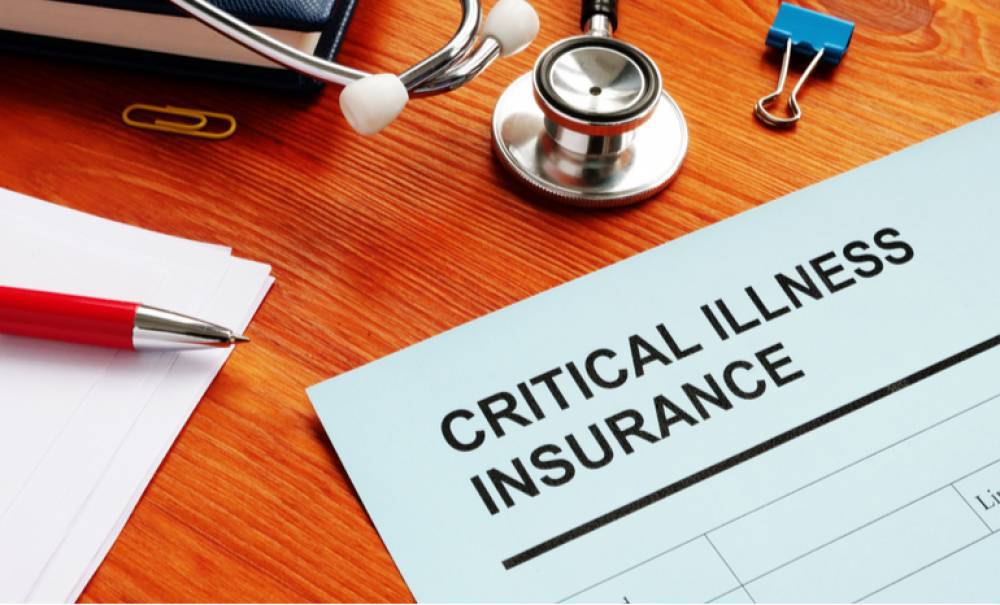
When considering your financial safety net, one of the most pressing questions is, how much critical illness cover do I need? Many people underestimate the financial strain a serious illness can bring, leaving themselves and their families vulnerable to financial instability. Without adequate cover, even short-term illnesses can have long-term consequences on your financial health. Let’s delve into the dangers of insufficient critical illness cover and how you can avoid these pitfalls.
The True Cost of Critical Illness
A critical illness such as cancer, a heart attack, or a stroke doesn’t just affect your health—it disrupts your entire life. While medical insurance may cover treatment costs, it often doesn’t account for lost income, lifestyle adjustments, or additional care needs. Mortgage payments, childcare, household bills, and transportation to medical appointments can quickly pile up.
Without the right amount of critical illness cover, you might find yourself exhausting savings, taking out loans, or even selling assets to stay afloat. This financial stress can make an already challenging time even more difficult, both for you and your family.
Common Mistakes When Choosing Cover
- Relying Too Much on Employer Benefits
Workplace-provided critical illness cover might seem like a convenient solution, but it often falls short of meeting actual needs. These policies are usually limited in scope and may not cover your specific financial responsibilities. - Guesswork Instead of Calculation
Many people choose a policy amount arbitrarily without considering their unique financial situation. Key elements like outstanding loans, family living costs, and potential medical expenses are often overlooked, leaving significant gaps in coverage. - Failing to Account for Inflation
A policy that seems sufficient now may not hold up in the future. Medical costs and daily living expenses increase over time, so your cover needs to be adjusted to ensure it remains adequate in the years to come. - Overlooking Long-Term Impacts
Critical illnesses can lead to long-term lifestyle changes, such as reduced earning capacity or permanent disability. Planning only for immediate costs can leave you exposed to financial difficulties in the future.
How to Avoid Being Underinsured
- Assess Your Needs in Detail
Start by calculating your monthly expenses, outstanding debts, and the amount required for potential medical and rehabilitation costs. This will give you a realistic idea of the cover you need. - Consider Your Family’s Needs
If you have dependants, factor in their living expenses, education costs, and other future requirements. Your policy should protect your loved ones from financial strain. - Seek Professional Advice
Speaking with an insurance expert can help you identify the right level of cover for your unique situation. They can guide you through the process and recommend policies that align with your financial goals. - Review Your Policy Regularly
Life circumstances change, and your insurance should adapt accordingly. Major milestones like buying a house, having children, or changes in employment are good reasons to revisit your coverage.
By taking these steps, you can ensure your critical illness cover provides adequate protection, safeguarding your financial stability and offering peace of mind during challenging times.
For expert advice and tailored critical illness policies, turn to Sports FS—your trusted partner in finding the right cover for your needs.


More Stories
Riding the Wave: Unlocking the Hidden Patterns of Today’s Community Trends
Top 5 Community Trends Shaping the Future: What’s Next?
The Silent Pulse: How Society Breathes Without Breathe