
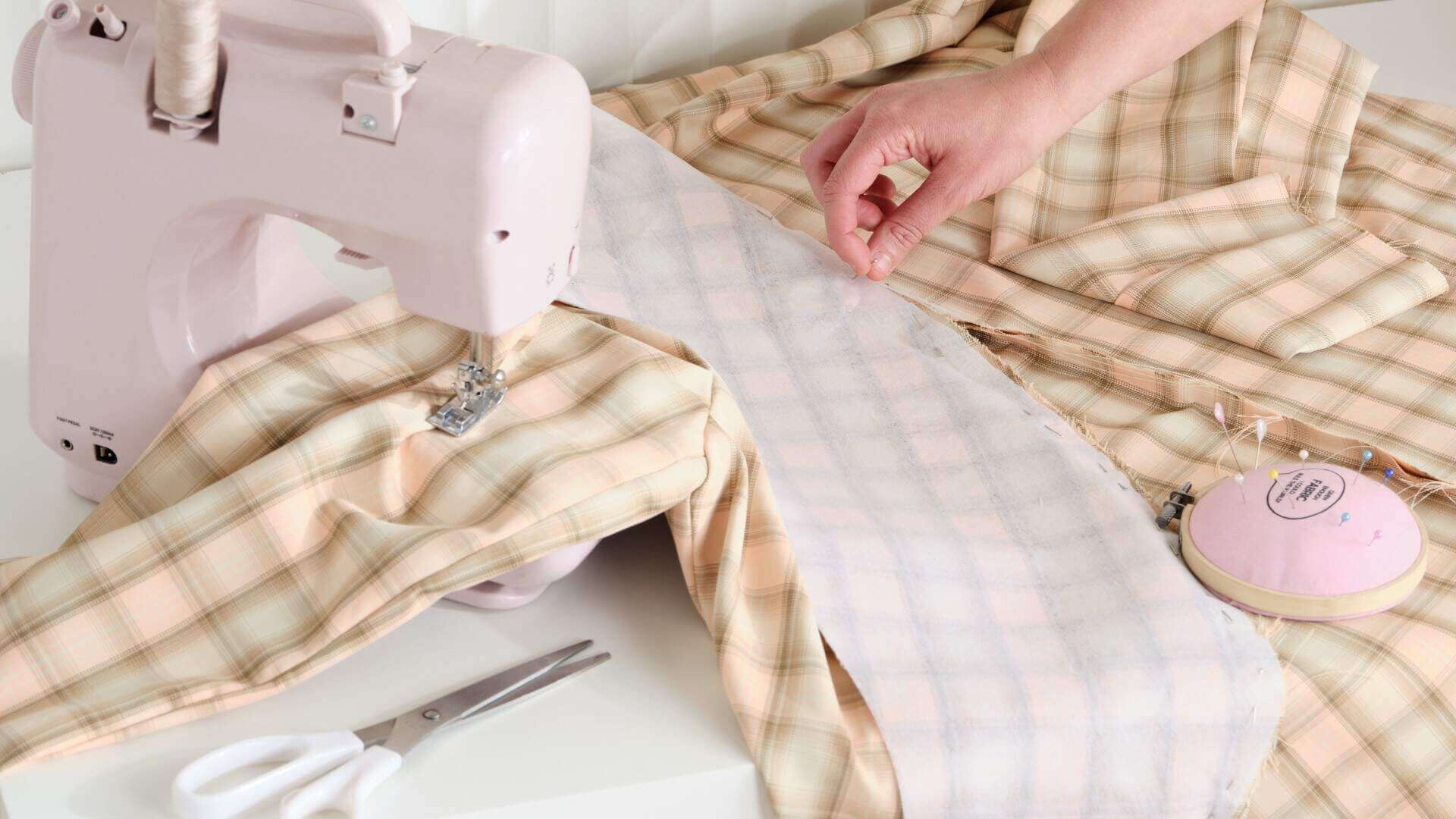
When most people think of sewing, they picture fabric, needles, threads, and patterns. But seasoned sewing enthusiasts know that the real secret to polished, professional-looking garments often lies beneath the surface—literally. Interfacing and lining may be out of sight, but they are absolutely essential to high-quality sewing projects.
Whether you’re just getting started or already deep into your stitching journey, understanding how to properly use these materials can elevate your work dramatically. If you’re sourcing sewing materials in New Jersey or on the hunt for the best sewing accessories in New Jersey, knowing what to look for in interfacing and lining will make all the difference.
Why Interfacing and Lining Matter
Before diving into the types and techniques, let’s look at why interfacing and lining are worth your attention.
- Structure & Support: Interfacing adds firmness to areas like collars, cuffs, waistbands, and buttonholes, helping garments hold their shape.
- Clean Finish: Lining hides inner seams, zippers, and construction details, giving the inside of a garment a clean, finished look.
- Comfort: A well-chosen lining improves the feel of the fabric against the skin, reducing irritation.
- Durability: Both interfacing and lining can extend the life of your garment by reinforcing stress points and reducing friction on the outer fabric.
If your goal is to create garments that look as good on the inside as they do on the outside, mastering these two sewing elements is non-negotiable.
Getting to Know Interfacing
Interfacing comes in many types, and the right one depends on the nature of your project.
1. Fusible vs. Sew-In
- Fusible Interfacing: This type has an adhesive on one side and bonds to the fabric when pressed with an iron. It’s a favorite for quick applications and easy usage.
- Sew-In Interfacing: As the name suggests, this version requires stitching to attach. It’s ideal for delicate fabrics that may be damaged by the heat required to apply fusible types.
2. Weights and Stiffness
Interfacing comes in light, medium, and heavy weights. A lightweight interfacing works well for soft blouses, while heavy-duty types are best for bags, belts, and tailored jackets. Choose the weight that complements your fabric and desired structure.
3. Woven vs. Non-Woven
- Woven interfacing behaves like fabric, with a grainline and slight stretch. It’s suitable for projects where the outer fabric is also woven.
- Non-woven interfacing is more paper-like and doesn’t fray. It’s more universal but may not offer as natural a drape.
When browsing sewing materials in New Jersey, don’t hesitate to ask store staff about interfacing types and get a feel for different weights. A hands-on approach will help you choose with confidence.
Lining: Not Just for Looks
Though often associated with high-end fashion or formalwear, linings serve functional purposes that go well beyond style.
1. Types of Lining Fabric
- Polyester or Rayon: Affordable and smooth, ideal for everyday garments.
- Silk or Satin: Luxurious options for special garments, offering a smooth feel against the skin.
- Cotton or Bemberg: Breathable and hypoallergenic choices, great for warmer climates.
Each lining fabric has its own benefits, so consider the climate, comfort, and style of the garment when choosing one.
2. Full vs. Partial Lining
- Full Lining: Covers the entire inside of a garment. This is common in jackets, dresses, and skirts, and provides the most structure and comfort.
- Partial Lining: Often used in casual pieces where complete lining is unnecessary. It saves on material while still offering some reinforcement.
3. Color Considerations
While neutral tones are popular, lining can also add a fun pop of color. For sheer fabrics, choose a lining that blends invisibly. For a surprise twist, try using a bright or printed lining in an otherwise understated piece.
Practical Tips for Using Interfacing and Lining
1. Test First
Always test interfacing on a fabric scrap. This ensures you won’t damage the material or alter its appearance in an unintended way.
2. Mind the Grainline
For woven interfacing, align it with the grainline of the main fabric to maintain drape and flow. Ignoring this can result in puckering or twisting seams.
3. Allow for Seam Allowance
When cutting lining fabric, mimic the main pattern pieces but consider where ease and seam allowances might differ. Some linings require more space, especially in tight-fitting garments.
4. Consider Breathability
A breathable lining helps avoid overheating, especially important in layered outfits or warm weather garments.
Where to Find Quality Sewing Materials and Accessories
If you’re located in the Tri-State area or shopping nearby, you’re in luck—there’s no shortage of places offering quality sewing materials in New Jersey. Local fabric stores and craft centers often carry a variety of interfacing and lining options, as well as staff knowledge to guide you.
When shopping for sewing accessories in New Jersey, be sure to also stock up on:
- Sharp fabric scissors or rotary cutters
- Heat-resistant pressing tools
- Extra needles for different fabric types
- Seam rippers and tailor’s chalk for finishing touches
Having the right tools and accessories on hand streamlines your workflow and leads to more satisfying results.
A Pro Finish Starts from Within
If you’ve ever admired a garment that seemed to hang just right or last for years, chances are good that interfacing and lining played a big role. These hidden heroes bring structure, polish, and longevity to your sewing projects.
Mastering the use of interfacing and lining may take some trial and error, but once you’ve got the hang of it, your work will speak volumes—both inside and out. Whether you’re sewing as a passion or profession, investing time in understanding these materials ensures every piece you create is one step closer to perfection.
So next time you’re shopping for sewing materials in New Jersey or browsing sewing accessories in New Jersey, don’t overlook the power of what’s beneath the seams. It might just be the thing that takes your craft to the next level.


More Stories
Riding the Wave: Unlocking the Hidden Patterns of Today’s Community Trends
Top 5 Community Trends Shaping the Future: What’s Next?
The Silent Pulse: How Society Breathes Without Breathe